
Your dog doesn't need a salon day because a calendar said so. They need it because their coat, skin, and lifestyle asked for it.
A Frenchie who naps on the couch and a Golden who swims every weekend are not on the same grooming schedule. And a Goldendoodle and a Beagle? Completely different planets. Grooming is love you can see fewer mats, cleaner ears, nails that don't click across the kitchen, and a dog who feels completely like themselves.
This guide covers the ten breeds American families own and search for most with real frequency ranges, home care tips, and honest advice on when to book a professional. Use it as your starting point. Your groomer and your vet still know your specific dog best. 🐾
Find a dog groomer near you
Browse 1,800+ vetted groomers across all 50 states. Filter by breed, services, and more.
Browse Groomers →When you're ready to book: find a verified groomer near you on DogBaths.com → including salons, mobile vans, and self-service wash stations across all 50 states.
Curious what a visit costs? See our complete dog grooming cost guide →
Quick Answer — Grooming Frequency by Coat Type

Quick Grooming Guide
- Short, smooth coat (French Bulldog, Beagle, many Dachshunds): Bath every 4–8 weeks, professional groom every 6–8 weeks, weekly wipe-down at home
- Double coat (Lab, Golden, German Shepherd): Bath every 6–8 weeks, deshed every 6–8 weeks, brush 2–4 times a week at home — never shave
- Curly or continuously growing (Poodle, most Doodles): Bath every 3–6 weeks, full haircut every 4–6 weeks, comb to the skin several times a week
- Long silky coat (Shih Tzu, Yorkie-type): Full groom every 4–6 weeks, bath every 3–4 weeks, daily face wipe and brush every other day
What "Grooming" Actually Includes
When people ask "how often should I groom my dog?" they usually mean three different things:
- Bathing — washing the skin and coat
- Maintenance — brushing, nails, ears, teeth, paw pads
- A full professional groom — bath plus a haircut or heavy deshed with a trained groomer
Short-coated dogs mostly need the first two. Poodles and doodles need all three regularly. Double-coated dogs need the first two done carefully — or you can damage the coat that keeps them cool in summer and warm in winter.
Lifestyle moves the needle significantly. A muddy backyard, regular dog park visits, swimming, allergies, and senior skin all shorten the gap between appointments. A quiet apartment dog can often stretch it.
If bath day at home feels like a rodeo, that's a reason to book help — not a character flaw. Mobile groomers come to your driveway → and self-service wash stations give you a professional tub and dryer → without a full salon price.
The 10 Breeds Families Actually Live With
These ten show up consistently in AKC registrations, household ownership surveys, and "how often do I groom my…" search data. Frequencies below are typical ranges for healthy adult dogs. Puppies, seniors, and dogs with skin conditions need a customized plan from your vet and groomer.
🐾 1. French Bulldog
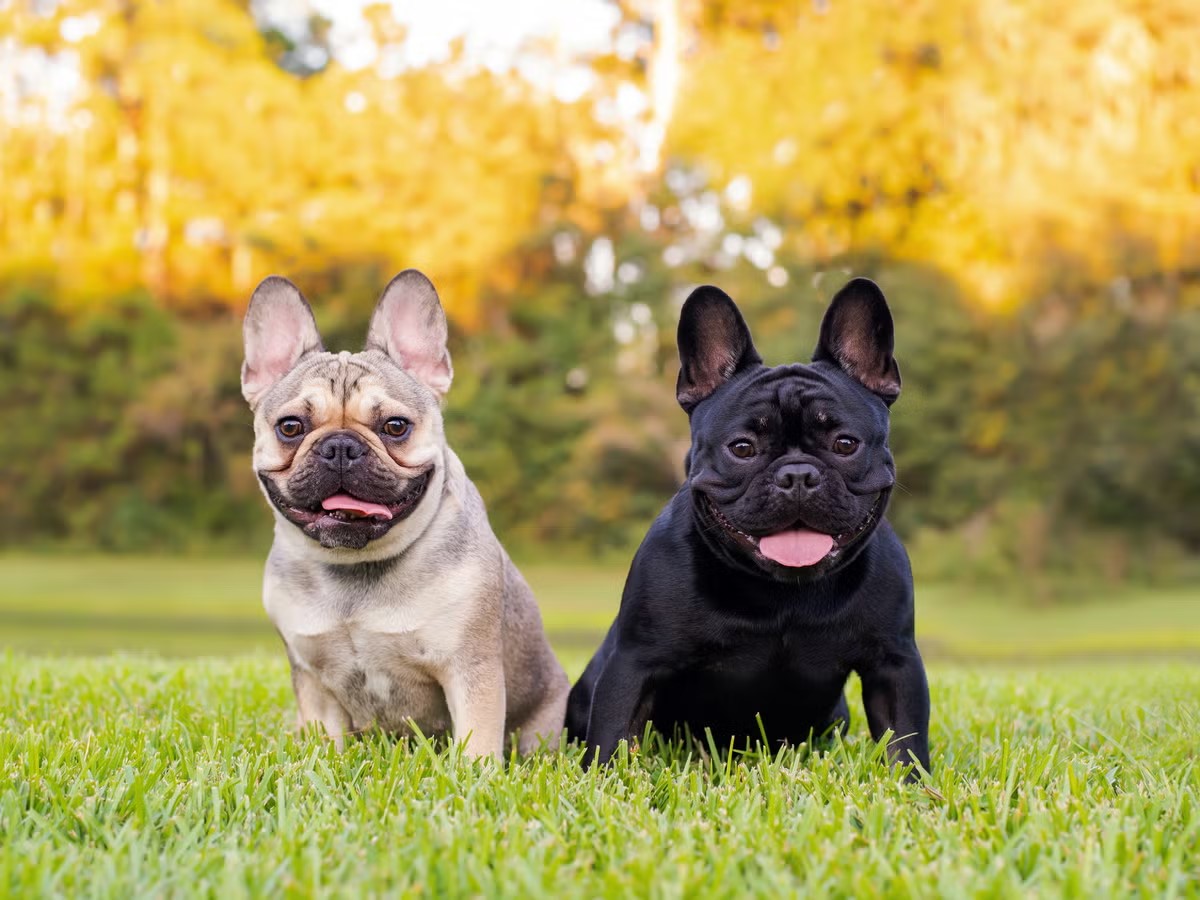
Photo: Country Living Magazine
Frenchies look low-maintenance. Their folds are not.
- Bath: Every 4–6 weeks, or sooner if the wrinkles have a smell
- Full salon visit: Every 6–8 weeks for bath, nails, ears, and sanitary tidy
- At home: Clean facial folds several times a week with a vet-approved wipe — and dry them fully every time
That little bat-eared face collects moisture. Skip the fold care and you get odor and sore skin, even if the coat looks fine from across the room. Always mention to your groomer that your dog is brachycephalic (short-nosed) — Frenchies overheat quickly in high-heat dryers.
Find a groomer near you who specializes in brachycephalic breeds →
🐾 2. Labrador Retriever
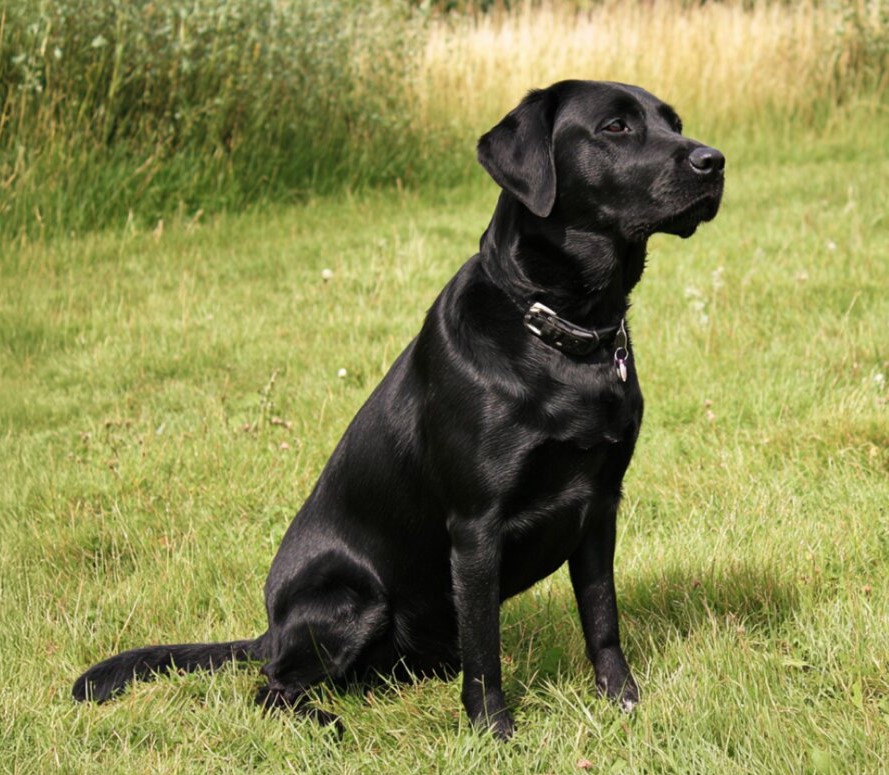
Photo: Paw-champ.com
Labs wear a weatherproof jacket. Wash it too often and it stops working the way it should.
- Bath: Every 6–8 weeks, unless they rolled in something truly unspeakable
- Deshed / bath-and-brush: Every 6–8 weeks, more frequently during spring and fall blowouts
- At home: Slicker brush or undercoat rake 2–3 times a week; daily during shed season
- Never: A fashion shave "for summer." The undercoat is their air conditioning unit — removing it makes them hotter, not cooler
A Lab who swims needs a thorough rinse and complete dry-down after lake days so the coat doesn't stay damp against the skin. A bath-and-brush with a high-velocity dryer does more good than another shampoo.
🐾 3. Golden Retriever
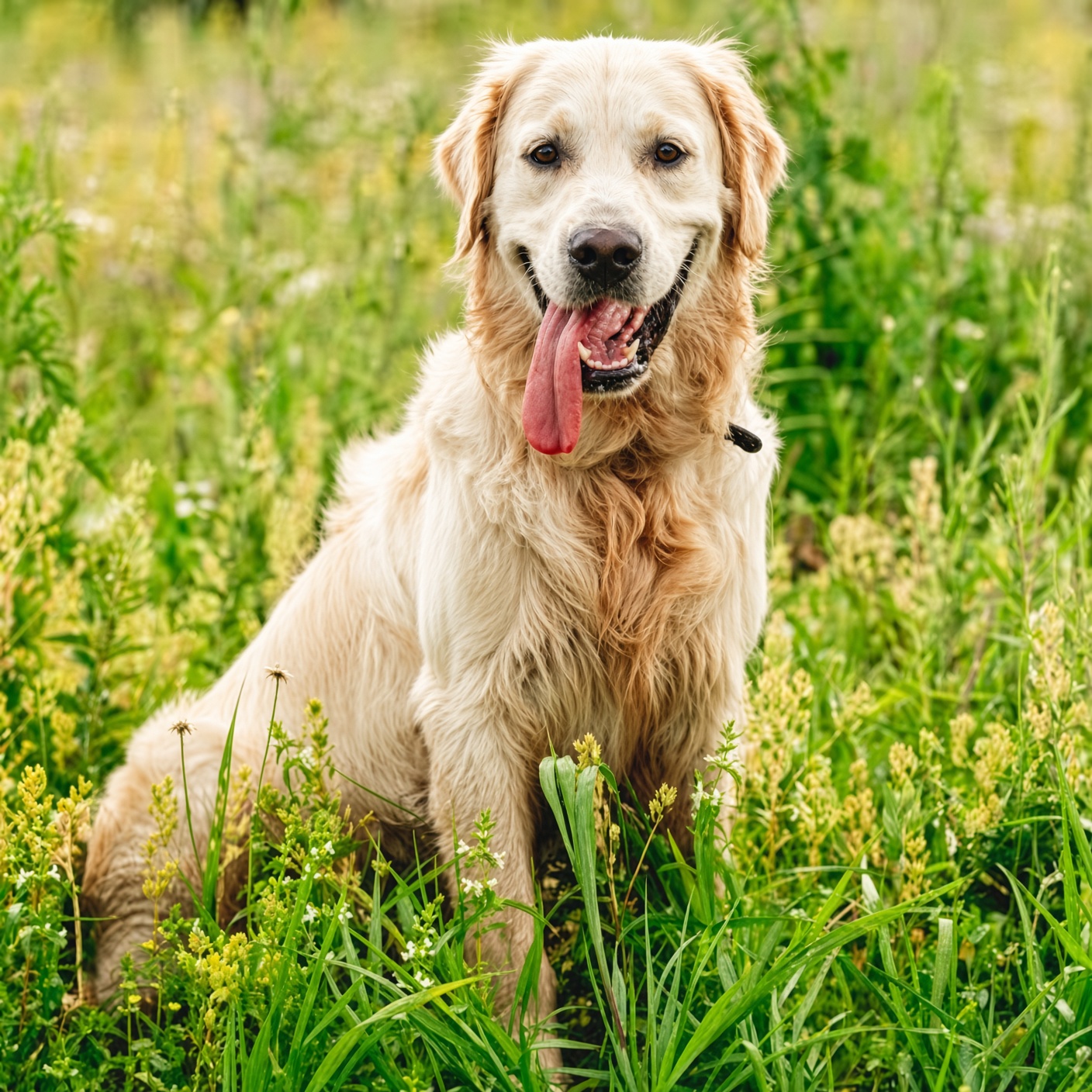
Photo: daysoftheyear.com
Goldens look like they were born for the brush. They were.
- Bath: Every 6–8 weeks
- Professional deshed and tidy: Every 6–8 weeks
- At home: Brush the "pants," ears, and tail feathering every other day
- Ears: Check weekly — those beautiful flaps trap moisture and warmth
Feathering mats behind the ears and in the "armpits" first. Catch it early and you keep the fairy-tale coat. Wait too long and a kind groomer may have to cut out what love left behind.
Planning a style change? Browse trending dog grooming styles for 2026 → and bring a photo to your appointment. "Shorter for summer" means something different to every salon.
🐾 4. German Shepherd Dog
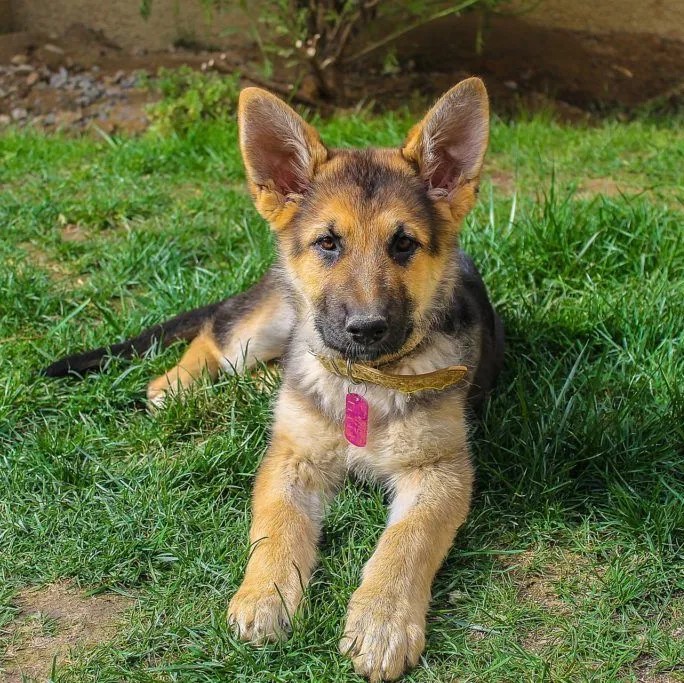
Photo: CannaPet
A Shepherd's coat is a two-layer climate system — designed by nature, not meant to be simplified with clippers.
- Bath: Every 6–12 weeks
- Deshed: Every 6–8 weeks during heavy coat seasons
- At home: Undercoat rake several times a week when they "blow coat"
- Do not shave unless a veterinarian specifically recommends it for a medical reason
The goal is to pull the dead undercoat out, not strip the guard hairs that protect them from sun and temperature. Look for a groomer who lists double-coated or working breeds as a specialty. Anxious Shepherds often do significantly better in a one-on-one mobile grooming van than in a busy open salon.
🐾 5. Dachshund
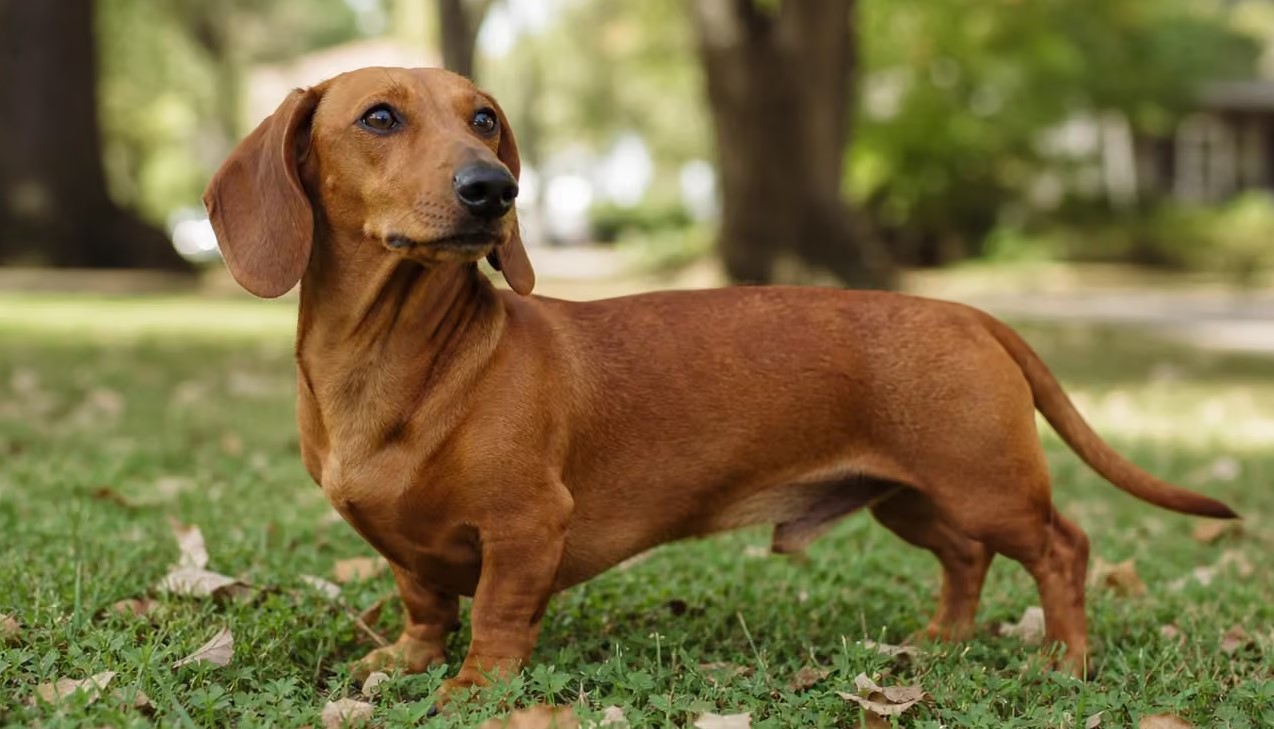
Photo: Petful
Three coat types, one long back. Treat the coat you actually have — not the general "Dachshund" category.
- Smooth: Bath every 6–8 weeks; nails every 3–4 weeks (small feet, fast-curving nails)
- Longhaired: Bath every 4–6 weeks; brush the ears and chest every other day
- Wirehaired: Hand-stripping if you keep the proper coat; otherwise a clip every 6–8 weeks
Nails and paw hair matter more on a Dachshund than a fancy haircut ever will. Long nails change how that famous spine hits the ground — and that matters for a breed already predisposed to back issues. Put nail trims on the calendar even when the coat looks perfect.
🐾 6. Poodle (Toy, Miniature, and Standard)
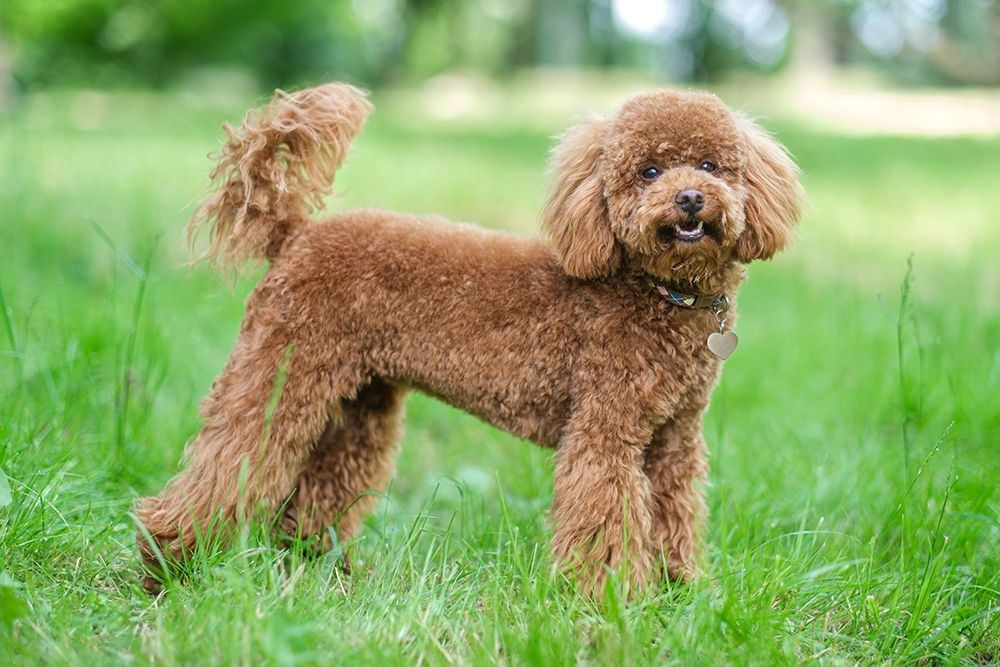
Photo: Dogster
Poodle hair grows like human hair. It does not shed out of a missed appointment. It felts — and matted Poodle coats are one of the most common emergency grooming calls groomers receive.
- Bath and haircut: Every 4–6 weeks
- At home: Comb to the skin several times a week — surface brushing lies to you
- Face, feet, and sanitary: Some families do a tidy at week 3 and a full clip at week 6
Six weeks is the sweet spot for most pet clips. Eight weeks is how mats start forming in the hips and behind the ears. If you love a longer teddy bear look, you owe that coat more comb time — not fewer salon days.
Look for a groomer who specializes in Poodles — scissoring skill is not the same as a 20-minute shave-down. Browse full-service grooming salons near you → and ask to see their Poodle work before booking.
🐾 7. Beagle
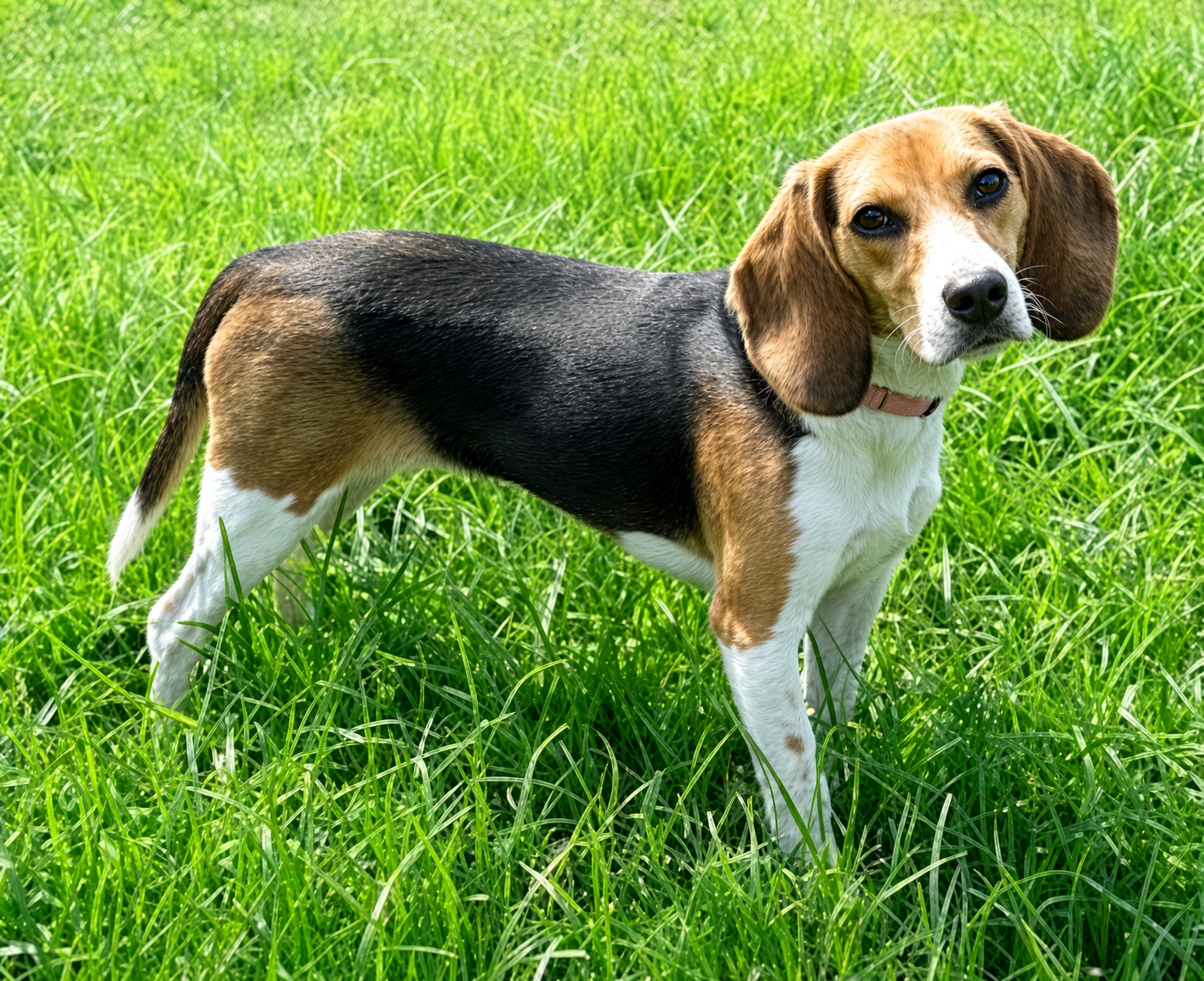
Photo: Dogbreed Info
Beagles are wash-and-wear until they find something dead in the woods. And they will find it.
- Bath: Every 6–8 weeks, plus emergency baths after outdoor adventures
- Ears: Weekly check — drop ears plus outdoor hobbies is an ear infection waiting to happen
- Nails: Every 3–4 weeks
- At home: A rubber curry brush after walks pulls dirt before it reaches the couch or your lap
You cannot shampoo a hound into staying clean. You can keep ears dry, nails short, and a self-service dog wash station bookmarked for the days they come home from the park smelling like something ancient.
🐾 8. Rottweiler
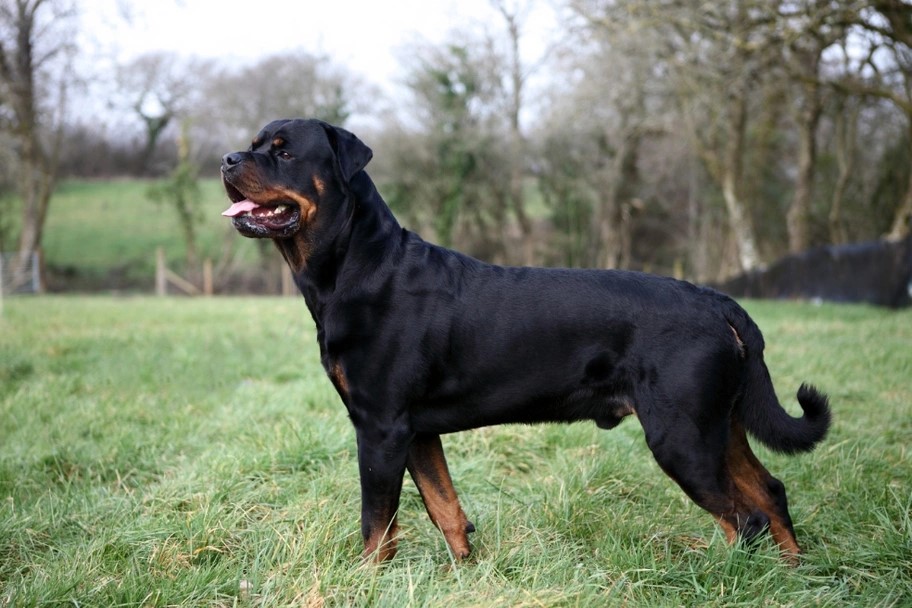
Photo: lancasterpuppies.com
Short coat, real undercoat, surprisingly heavy seasonal shed — and a dog who deserves a groomer who knows how to handle a large, powerful breed with confidence and kindness.
- Bath: Every 6–8 weeks
- Deshed: In spring and fall, more thoroughly
- At home: Rubber brush weekly; more when the black tumbleweeds appear on the furniture
- Skin folds and tail base: Check at every bath time
Rotties don't need a haircut. They need a thorough bath, a real dry-down, and nails that properly support a powerful frame. Large-breed handling experience matters significantly. Mention it when you browse groomers by state →
🐾 9. Goldendoodle (and Other Doodle Mixes)
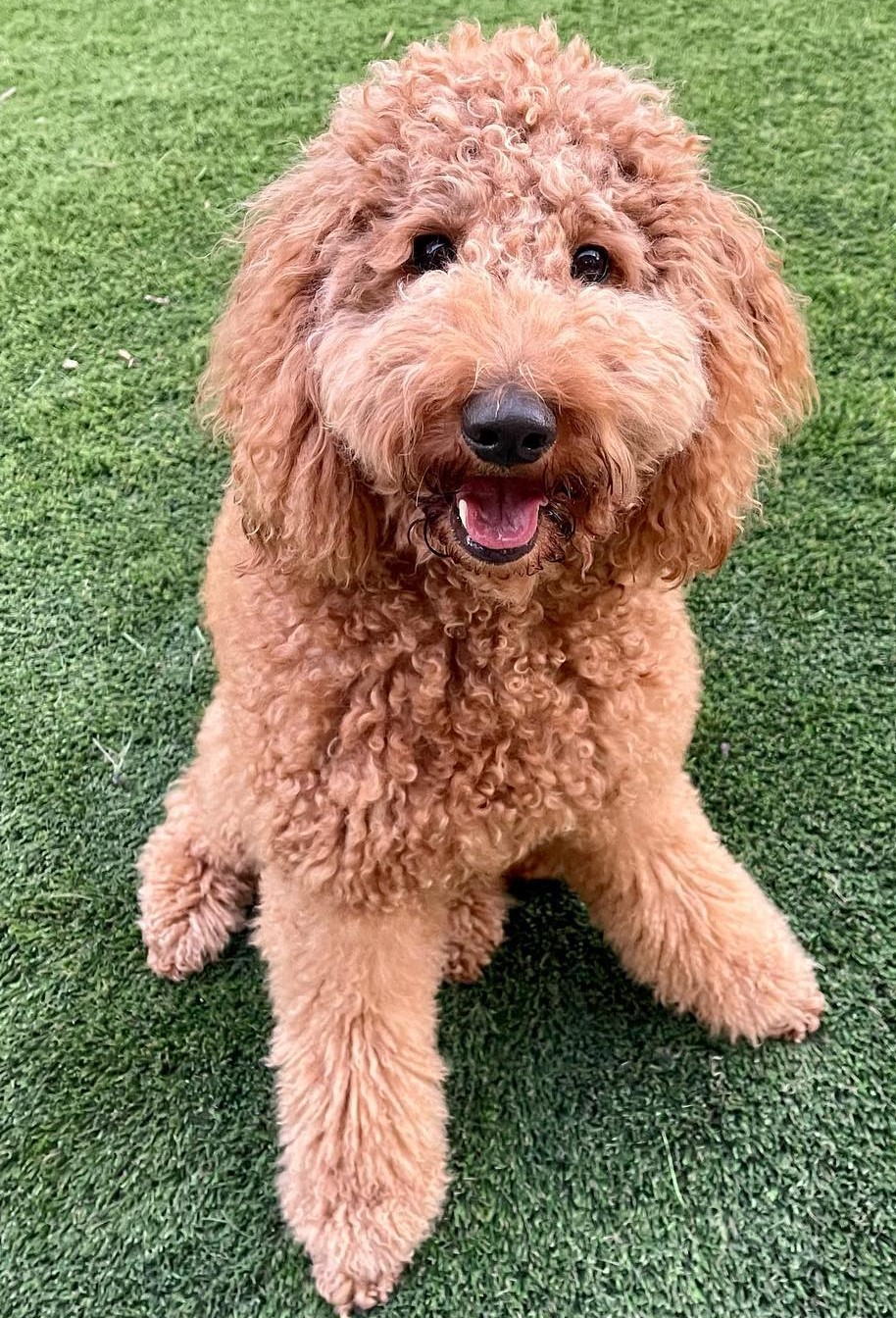
Photo: shop.welovedoodles.com
This is the breed people search at 11 PM with a brush in one hand and a phone in the other. We see you. We're here.
Doodle coats range from open and wavy to tight and Poodle-like. The tighter the curl, the closer you stay to a Poodle schedule.
- Most doodles: Full professional groom every 4–6 weeks
- Looser coats: You might stretch to 7–8 weeks — if you comb to the skin consistently
- At home: Line-comb several times a week. Surface brushing looks complete and isn't
"We were trying to grow it out" is how doodles end up in a short clip they didn't vote for. That's not failure — that's physics. A doodle specialist will save you both from that outcome.
Bring style photos to your appointment. Browse the most popular dog grooming styles for 2026 → — the teddy bear cut, puppy cut, and kennel cut are all covered with photos.
🐾 10. Shih Tzu
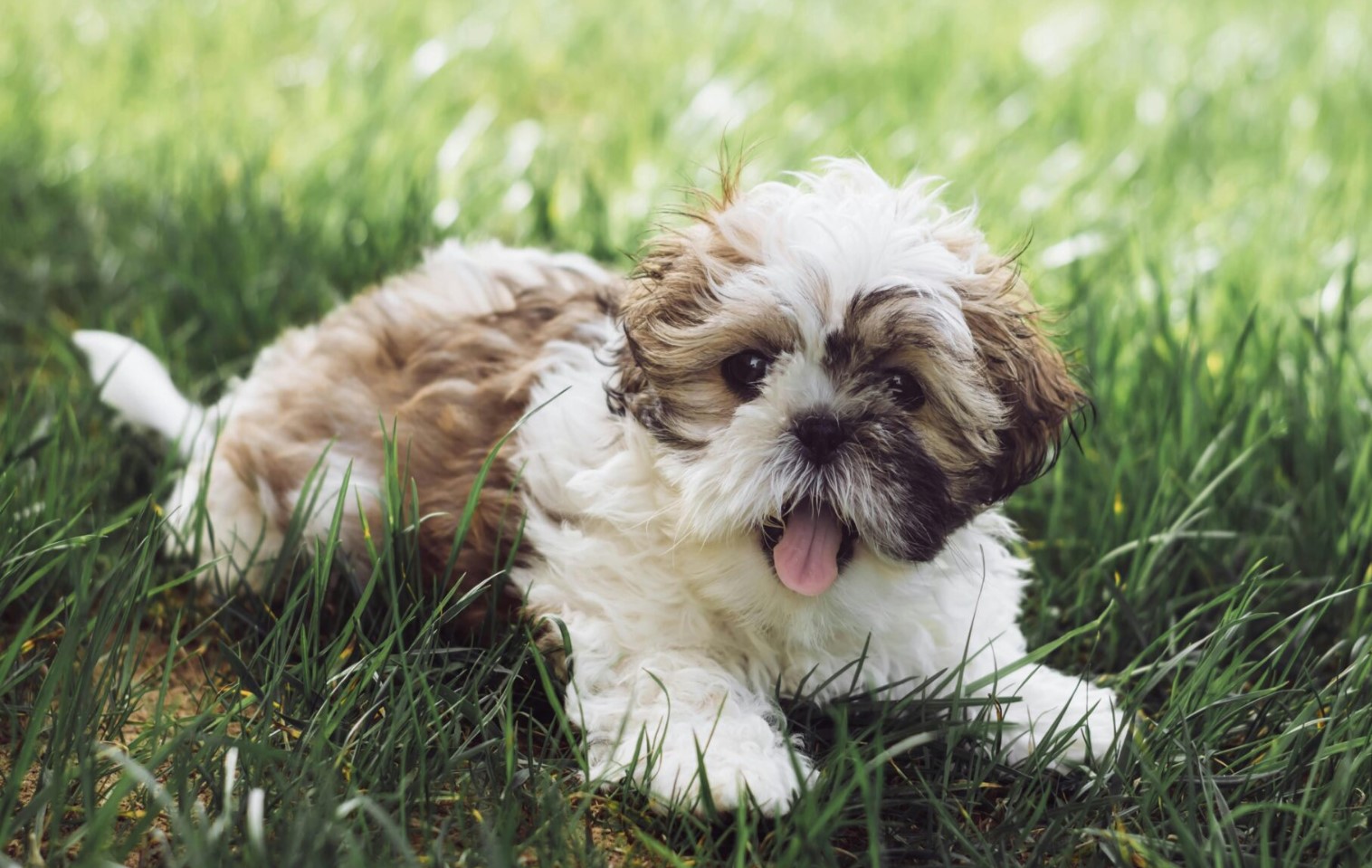
Photo: rockymountainpooperscoopers.com
A Shih Tzu's face is half the job. The other half is everywhere else. This breed rewards daily attention with a coat that turns heads — and punishes missed care with mats that form against the skin.
- Full groom: Every 4–6 weeks
- Bath: Every 3–4 weeks if you keep a longer coat
- At home: Daily eye and face wipe; brush every other day; topknot or short face trim if you can't commit to daily care
- Eyes: Keep hair out of them — staining is a hygiene issue, not just a cosmetic one
A short, even pet cut is an act of genuine kindness for busy households. A floor-length show coat is beautiful and is effectively a part-time job. Either choice is completely valid. Pretending a long coat maintains itself is how painful mats form against the skin.
How to Set Your Dog's Grooming Schedule
Use this framework after you identify your breed:
- Coat type sets the floor — how often you must intervene to prevent problems
- Lifestyle sets the ceiling — dirt, swimming, allergies, and outdoor activity all shorten the gap
- Skin vetoes everything — flakes, hot spots, or obsessive chewing belong to your veterinarian before you change products or frequency
- Nails and ears have their own clocks — they don't care that the haircut still looks cute
Signs you waited too long:
- Hair that won't take a comb to the skin
- A smell that returns two days after a bath
- Nails clicking on the floor, or the dewclaw curling toward the pad
- Ears that are warm, yeasty, or painful to touch
- Your dog sidesteps when you pick up the brush
Signs you're bathing too often:
- A dull, brittle coat that seems worse after washing
- Scratching after every bath
- Flaky skin that appeared when you started washing weekly "just in case"
When in doubt book a consultation, not a surprise shave.
Home Care vs. Professional Grooming — You Don't Have to Choose

Choosing the Best for Your Dog
The smartest dog owners use a combination of all three options:
- At home works beautifully for short coats, maintenance baths, and dogs who already trust the tub. Use dog shampoo only, brush before bathing, and rinse until the coat stops feeling slippery
- A grooming salon earns its keep on haircuts, double-coat desheds, matting, and dogs who need more equipment and expertise than your bathroom provides. Browse full-service salons near you →
- Mobile grooming is the middle path for senior dogs, reactive dogs, anxious dogs, and anyone who dreads the salon lobby. Find mobile groomers near you →
- Self-service wash stations are perfect for the Beagle incident, the sandy Lab, and the quick cleanup between professional appointments professional tubs and dryers for $15–$30. Find a self-service dog wash station near you →
Want to understand the difference between mobile and salon grooming in depth? Read our complete mobile vs salon grooming guide →
How to Find a Groomer Who Knows Your Breed

DogBaths.com Is here to Help
The search that actually helps: find a groomer who specializes in your breed — not just one who'll take any dog.
Questions worth asking before you book:
- How often do you recommend grooming for this coat type?
- Do you deshed double coats, or shave them?
- Can I see a Poodle / doodle / drop-coat dog you finished recently?
- How do you handle dryers with short-nosed breeds like Frenchies?
- What do you do when you find mats?
Then filter DogBaths.com by city or service type and read the reviews that mention your breed by name. A glowing review for a Golden doesn't tell you much about their Poodle scissoring.
Find groomers in the cities our readers search most:
Austin, TX · Chicago, IL · Phoenix, AZ · Houston, TX · Miami, FL · Dallas, TX · Denver, CO · Orlando, FL
Frequently Asked Questions About Dog Grooming Frequency
How often should I groom my dog in general?
Most healthy dogs do well with a professional visit every 4–8 weeks and brushing at home in between. Coat type decides exactly where you sit in that range — use the breed guide above to find your starting point.
How often should I bathe my dog?
Typically every 4–8 weeks. Short oily coats and allergy dogs may need more frequent bathing. Double coats often need less shampoo and more brushing. Always follow your vet's guidance if the skin is showing issues. For a full breakdown: see our grooming cost and frequency guide →
Can I groom my dog too much?
Yes. Daily shampooing strips the coat's natural oils and can cause the skin to overcompensate by producing more oil or become itchy and flaky. Frequent brushing is almost never a problem. Frequent soap is. When in doubt, ask your groomer or vet.
Do short-haired dogs need a professional groomer?
Yes , for nails, ear cleaning, sanitary tidy, and a proper bath-and-dry. They skip the scissor work, not the care. Nails and ears don't take a break just because the coat is short.
Should I shave my Lab, Golden, or German Shepherd in summer?
Almost never. Shaving a double coat can permanently damage the undercoat regrowth and significantly increases sunburn and overheating risk. The double coat insulates in both directions keeping them cooler in summer and warmer in winter. Deshed with a high-velocity dryer instead.
How often should puppy grooming start?
Start early and start gently short, kind visits with nails, a gentle bath, and lots of treats. Establish a 4–6 week rhythm before the adult coat arrives so the grooming table feels like a known, safe place rather than a surprise.
My doodle is matted. What do I do?
Stop bathing immediately — water tightens mats. Call a professional groomer, be completely honest about the coat condition, and let them choose the safest clip. Then reset your calendar to 4–6 weeks and commit to regular combing in between. Find a doodle specialist near you →
How often do nails need trimming?
Every 3–4 weeks for most dogs. If you hear click-click on hard floors, you're already late. Long nails affect posture and can cause joint pain over time — especially in small breeds and Dachshunds.
Is mobile grooming enough, or do I still need a salon?

Mobile Grooming Vs Salon
For the majority of dogs yes, mobile grooming is completely sufficient and often preferable. Complex show clips and very heavy dematting sometimes need the larger workspace of a full salon. Browse mobile groomers near you → and read our mobile vs salon guide → to decide what fits your dog best.
Grooming is not vanity. It is how you keep the body your dog lives in comfortable, healthy, and free from pain. Brush before the bath. Dry all the way to the skin. Keep nails short enough that standing is easy. Keep ears clean and boring.
And when you want a groomer who already speaks your dog's coat language — search DogBaths.com → Tell them the breed, the lifestyle, and how your dog likes to be handled. That conversation is the real schedule.
This guide is general education, not a veterinary diagnosis. Dogs with allergies, skin infections, or pain should see a veterinarian before you change grooming products or frequency.
Ready to find a groomer who knows your breed? Browse 1,800+ verified groomers across the US on DogBaths.com →